

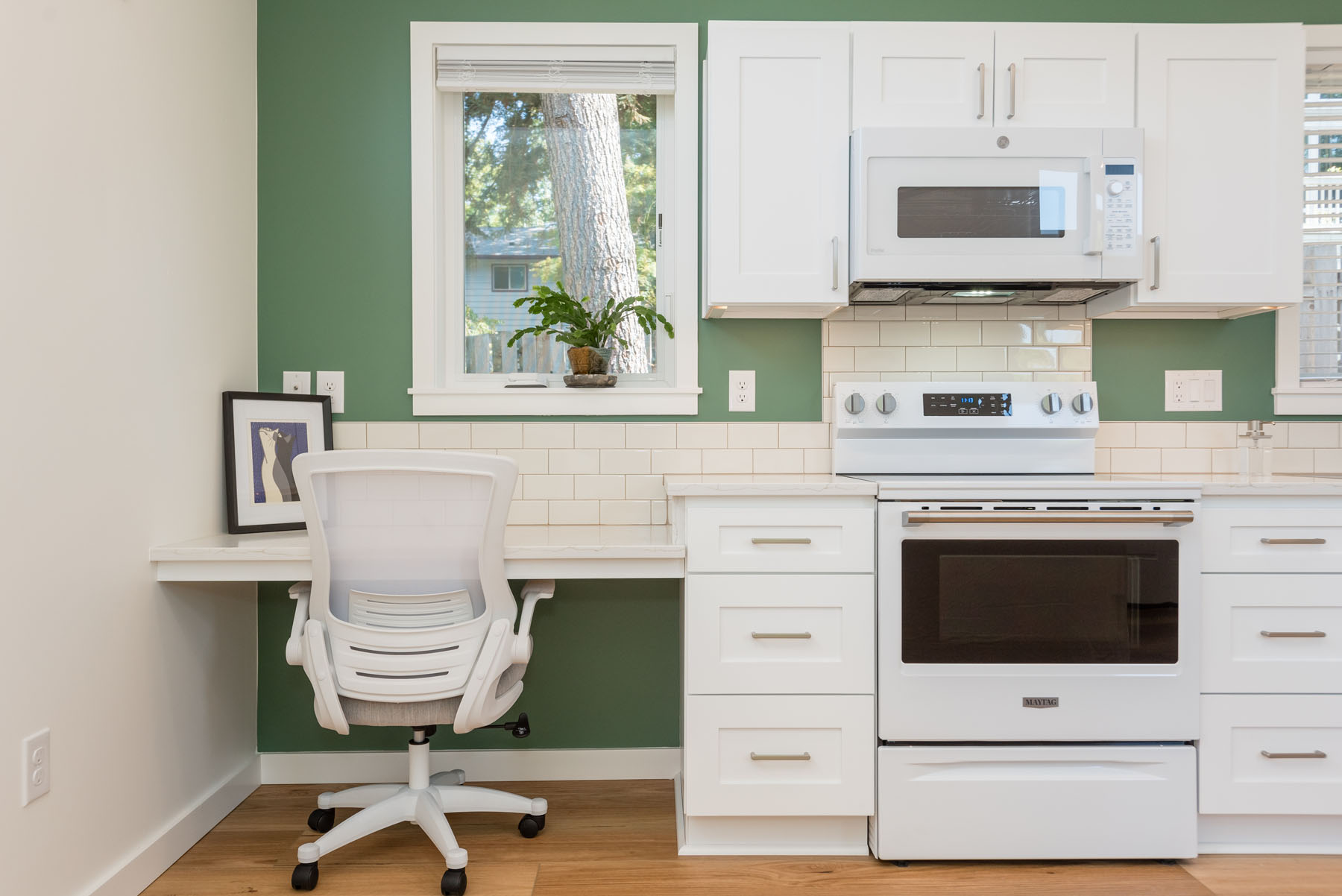
Working from home isn’t just a workplace trend — it’s a transformational shift affecting the very way we design, build, and inhabit our homes. From spare bedrooms turned office spaces to new kinds of accessory structures, and from commuting patterns to energy use and community life, WFH is leaving its mark on our built environment and social fabric.
Bedrooms as Office Space: The New Normal
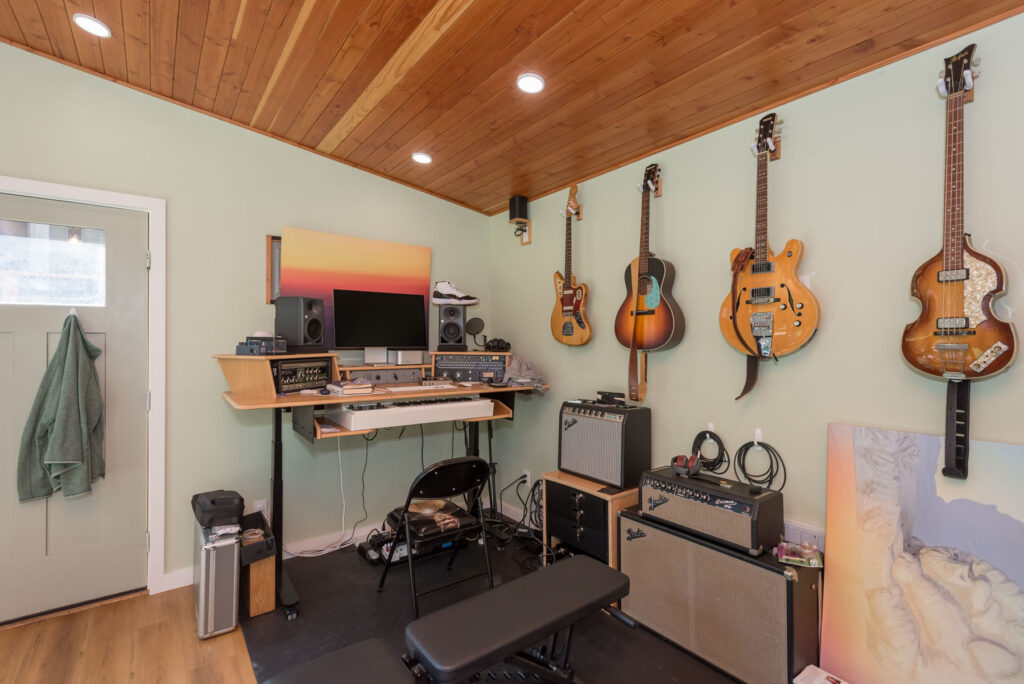
One of the most visible impacts of working from home is how people are reconfiguring living spaces. Rooms once reserved for guests, hobbies, or storage are now doubling as offices. Many households are assigning a bedroom to remote work, which has several ripple effects:
- Rising demand for additional bedrooms: Homes that once needed just enough bedrooms for the family now often require an extra room for a dedicated office space. This affects both buyers’ and renters’ preferences, as well as how architects and builders plan new homes. (Resident Magazine)
- Smaller units struggle: Small studios and one-bedroom apartments that were once viable choices for individuals are now less attractive to workers who need a quiet, separate workspace, shrinking their appeal in the market. (Gensler)
This shift in housing functionality is changing what “enough space” means: it’s no longer just about sleeping and relaxing — it’s now about working, meeting, and concentrating effectively at home.
Accessory Structures for Work: Beyond the Main House
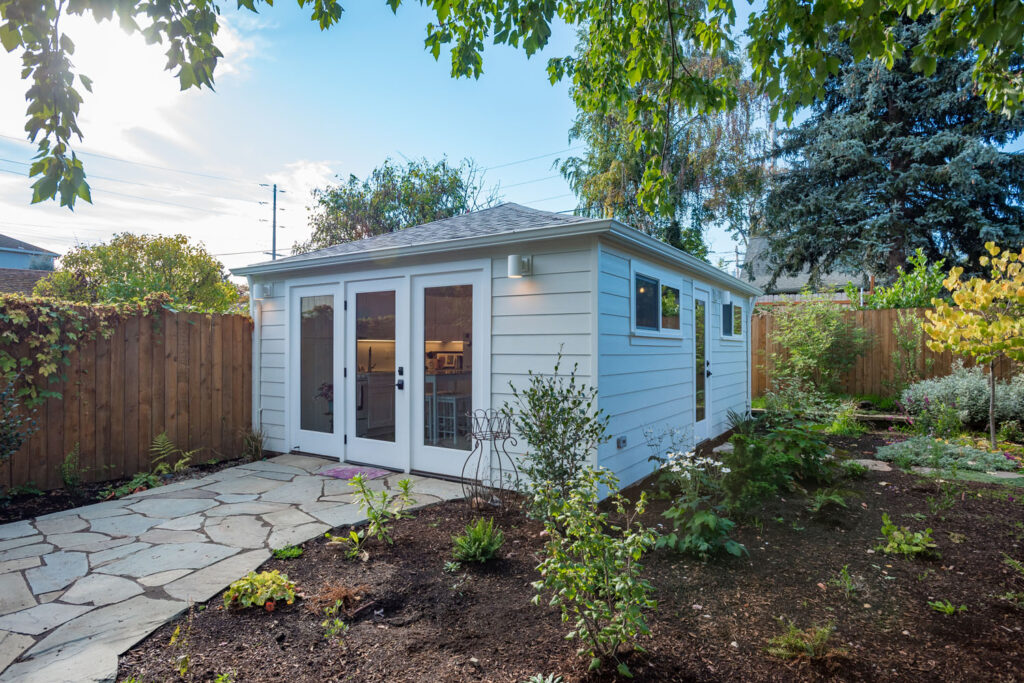
Not every home can reassign bedrooms or carve out an ideal office space. As a result, separate accessory structures — detached garden offices, renovated garages, or backyard studios — are becoming more common. These spaces offer:
- Physical separation from home life, reducing distractions.
- Flexible design tailored specifically for productivity and comfort.
- Potential architectural value to properties without crowding the main living spaces.
These structures don’t need to be Accessory Dwelling Units (ADUs) — which usually require plumbing and are classified as separate dwellings — but purpose-built or retrofitted spaces for work, and can have additional flexibility built in. They reflect homeowners’ desire for quiet, professional work environments without sacrificing personal living areas.
The Commute Shrinks, So Too Does Transit Ridership
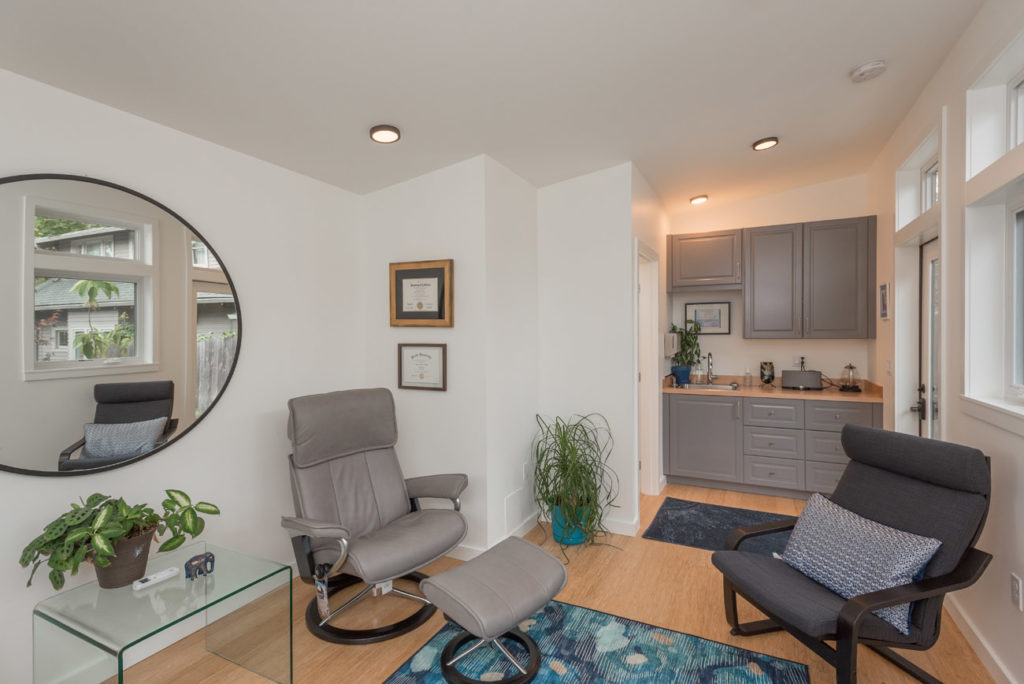
One of the clearest societal effects of WFH is the dramatic reduction in daily commuting. Fewer people traveling into offices has led to notable changes:
- Public transit agencies, such as Portland’s TriMet, are shrinking service because ridership and fare revenue have dropped significantly since the pandemic. Service frequency reductions and planned cuts are occurring as agencies adjust to sustained lower demand. (TriMet)
- This drop in commuters has reduced pressure on road congestion, peak-hour travel, and even parking requirements in cities and suburban business districts.
But there’s a flip side: community and creative collaboration often happen in shared workplaces. While fewer commutes reduce stress and travel time, remote work also means fewer daily social interactions that arise from working alongside colleagues. Organizations and urban planners are exploring ways to recreate community and collaboration elsewhere — through coworking hubs, periodic team meetups, and neighborhood activity centers; though solutions are still evolving.
Energy and Environmental Impacts: A Mixed Picture
At first glance, working from home seems like a climate win: no commute, fewer cars on the road, and less energy used in large office buildings. And there are real efficiency gains:
- Reduced commute emissions translate to less fuel burned and lower transportation sector emissions in many regions. Some estimates suggest that even part-time remote work can reduce global oil consumption and CO₂ emissions significantly. (IEA)
- Companies adopting hybrid policies have cut their energy usage by around 20% by shrinking or optimizing office spaces, helping reduce operational carbon footprints. (realtynmore.com)
However, the story isn’t entirely straightforward. Heating or cooling individual homes during the workday increases residential energy use. In some climates, homes may become less efficient per person than offices because offices consolidate many workers in energy-efficient systems, while remote workers each heat or cool separate residences. (IEA)
Overall, the net environmental impact depends heavily on home vs. office energy efficiency, mode of transportation, and work patterns.
Housing Market Dynamics: More Space, More Demand
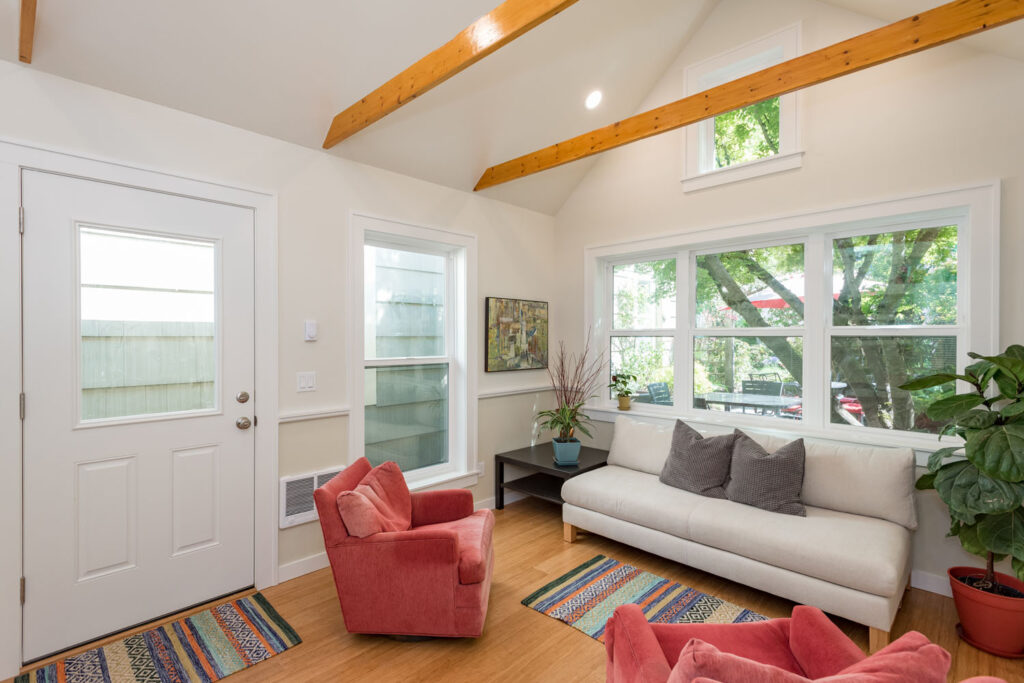
Remote work has changed where and how people want to live. With workplace location becoming less binding:
- Demand for larger homes with office spaces has risen, contributing to housing price and rent increases in many markets. Research shows that the shift to remote work explains a significant portion of recent house price growth by increasing demand for residential space. (NBER)
- Workers are also more willing to relocate farther from city centers to find larger, more affordable homes with dedicated work areas, impacting both suburban and ex-urban housing markets. (disruptequity.com)
This is reshaping development priorities: multi-bedroom units and flexible floor plans are more attractive than ever. Ultra-compact housing designs lose some appeal for workers who no longer need to be near downtown job centers; instead, city cores are undergoing their own redefinition as social centers, not job centers.
Conclusion: WFH Is Rewiring Space, Society, and Design
Working from home has evolved from a pandemic necessity to a structural change in how we live and work. Its impact is felt in:
- Home design — more bedrooms, dedicated offices, and accessory workspaces.
- Housing demand — larger units and homes with flexible layouts.
- Transportation and transit — declining commuting mixes with reinvented community engagement.
- Energy and sustainability — potential net reductions, but also new challenges.
As WFH continues to influence preferences and policies, architects, planners, transit agencies, and community leaders will need to adapt to a world where work is more distributed and homes are more central than ever before.














 Download our ADU Quickstart Guide and learn about the features and benefits and ADU can provide to your existing property.